HAUT på Kulturmøde Mors 2023
HAUT x Bikubenfonden x Art Hub Copenhagen x Udviklingsplatformen for Scenekunst
HAUT x Bikubenfonden x Art Hub Copenhagen x Udviklingsplatformen for Scenekunst

As part of RUM FOR KUNST, HAUT presents
Thursday, August 24, 2023 - Main Square, VÆRKET - Hall 2 – all day
Thursday, August 24, 2023 - Main Square, VÆRKET - Hall 2 – all day 3:00 p.m. - 3:30 p.m. Wired by Marie Kaae 3:30 p.m. - 4:15 p.m. Conversations On – residencies and artistic development work 4:30 p.m. - 5:15 p.m. Unravelling: Whose labor is it? By Jupiter Child (Outdoors in front of Værket)
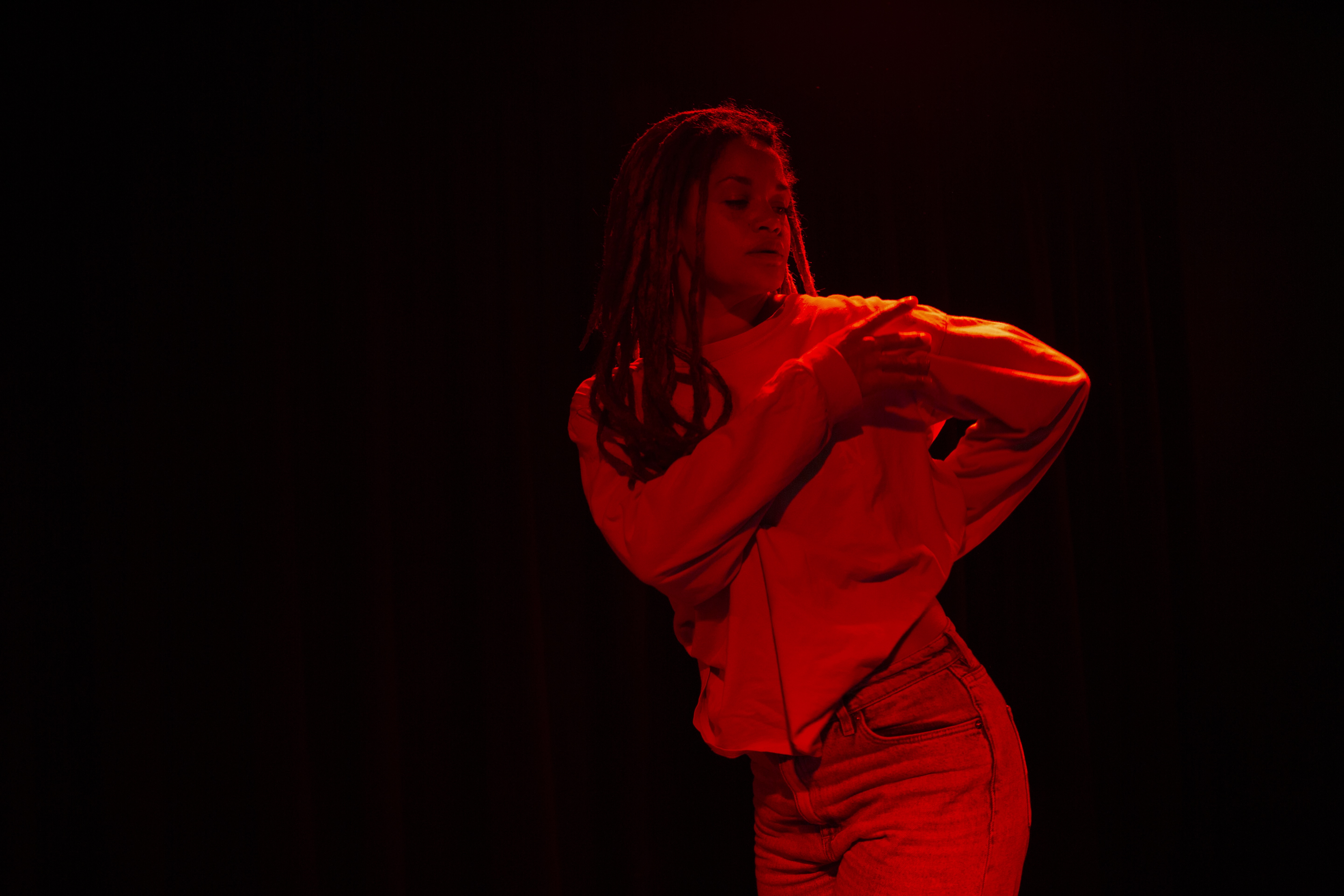
Wired by Marie Kaae (DK) Developed during a residency at HAUT and Inter Arts Center (SE) in January 2023, co-curated by Alma Söderberg and Betina Rex/HAUT.
About the WORKSHARING: ‘Wired’ is an artistic research project and a modern gospel that explores and highlights the cause-and-effect relationship between rhythmic dance, Afro-diasporic electronic sound, and soul singing. Wired explores how to organize the artistic experience that music brings in a performing arts universe where rhythmic improvisation and repetition guide the collective conversation between the artists. The group working on ‘Wired’ wants to invite the audience into an authentic situation where the genres are presented on their own terms, rooted in historical traditions with their take on a progressive modern expression. The aim is to experience rather than entertain, and to invite you on an inner journey into the accepted universe of underground culture. Where there is room for vulnerability as well as strength. The music and dance were created together by the entire cast during the HAUT residency, where the individuals collaborated with each other for the first time. The event is part of Rum for Kunst at Kulturmødet Mors 2023 - Bikubenfonden x HAUT x Udviklingsplatformen for Scenekunst x Art Hub Copenhagen
The group consists of:
Marie Kaae (DK), Damon Frost (US/SE),
Yann Joseph-Auguste aka. Lumi/Blck Merliin (FR), Raffael Bender aka. Black Forest (DE/DK), and
Johan Klinkvort aka. Shatterhands (DK).
//
CONVERSATIONS ON residencies and artistic development work
How do we create the best conditions for artistic development? How do we support the development of artists' practices and processes? These questions are central to HAUT, which, through our work with curated residencies, provides space and resources for the development of cross-disciplinary performing arts. Because we believe that artistic development is best achieved when artists have the opportunity to unfold their – and art's – full potential across disciplinary boundaries and in fruitful communities.
For Kulturmødet Mors, we have invited artists who have been curated for residencies at HAUT during 2023. Through an insight into their artistic process and practice, we will show what we support with our residency formats. Contextualized by a moderated conversation that delves into what residencies can do and what they contribute.
The conversation will focus on what constitutes a good framework for performing arts processes and practices, and how we as a field and as organizations can best support the creation of these. Not least in a structural context where the focus is more on production than on process and practice. Why are they so important, and what can be problematic about a way of working that is structured around residencies? Artists Marie Kaae and Jupiter Child will show excerpts from their artistic work in progress and participate in the conversation with Betina Rex from HAUT.
The conversation is moderated by Trine Sørensen from Åbne Scene, Godsbanen in Aarhus. The event is part of Rum for Kunst at Kulturmødet Mors 2023 - Bikubenfonden x HAUT x Development Platform for Performing Arts x Art Hub Copenhagen
//
Unravelling: Whose labour is it? by Jupiter Child (DK)
Developed for an interactive performance at caterina daniela mora jara's IN CONNECTION residency at HAUT in February 2023. Curated by HAUT and caterina daniela mora jara.
About WORKSHARING: An interactive performance that explores the possibilities of liberation practices through collaborative efforts. The artist invites participants to unravel African wax textiles, thereby activating the collective (hand)work of deconstructing, breaking down, or hacking a static structure in order to liberate and create something new. This provides a unique experience of unraveling an ideology such as colonialism. And it raises the question: Whose work is it when it comes to deconstructing oppressive structures? The interactive performance invites participants to reflect on whether decolonial processes are a collective effort and not just reserved for people of color.
The event is part of Rum for Kunst at Kulturmødet Mors 2023 - Bikubenfonden x HAUT x Development Platform for Performing Arts x Art Hub Copenhagen


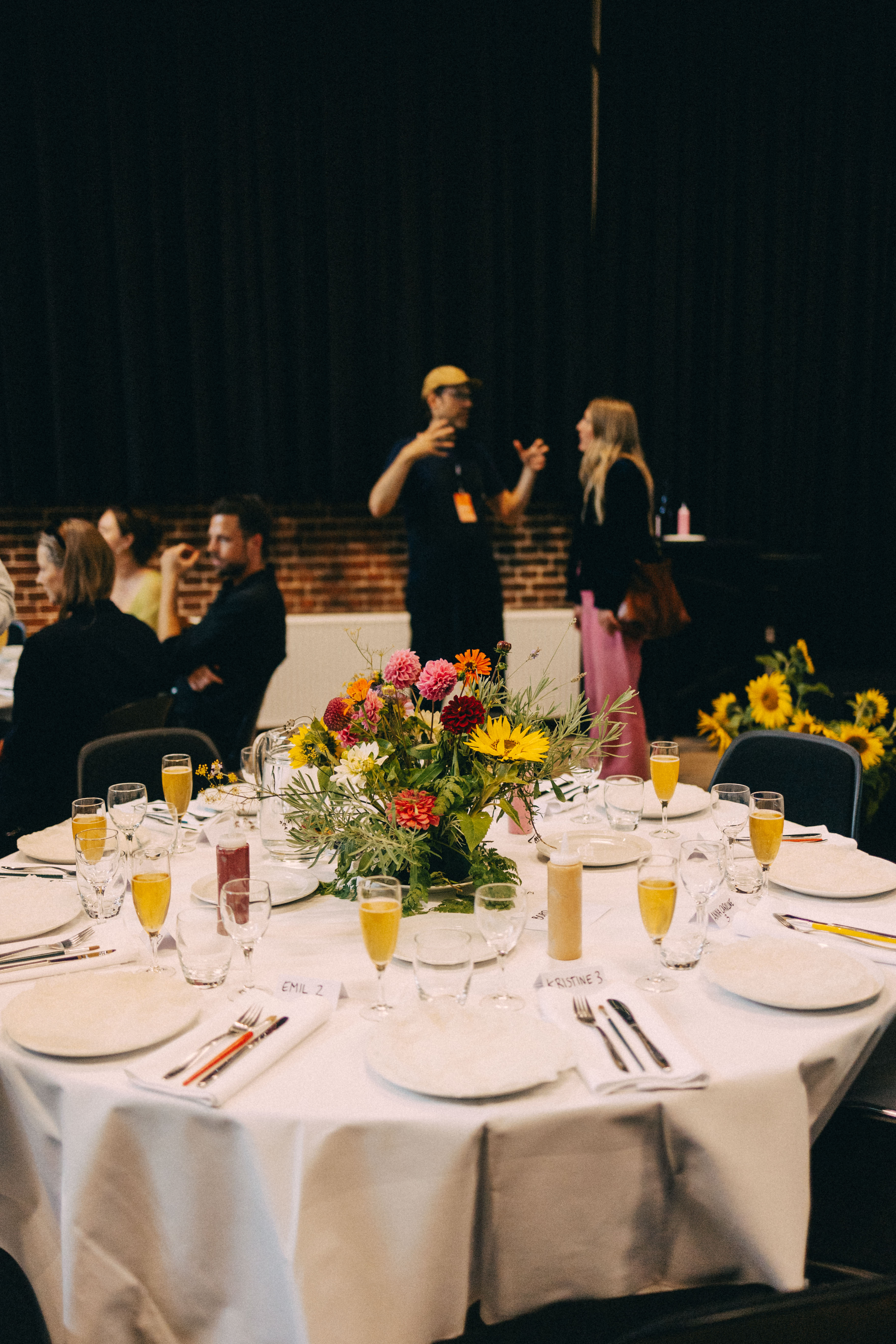
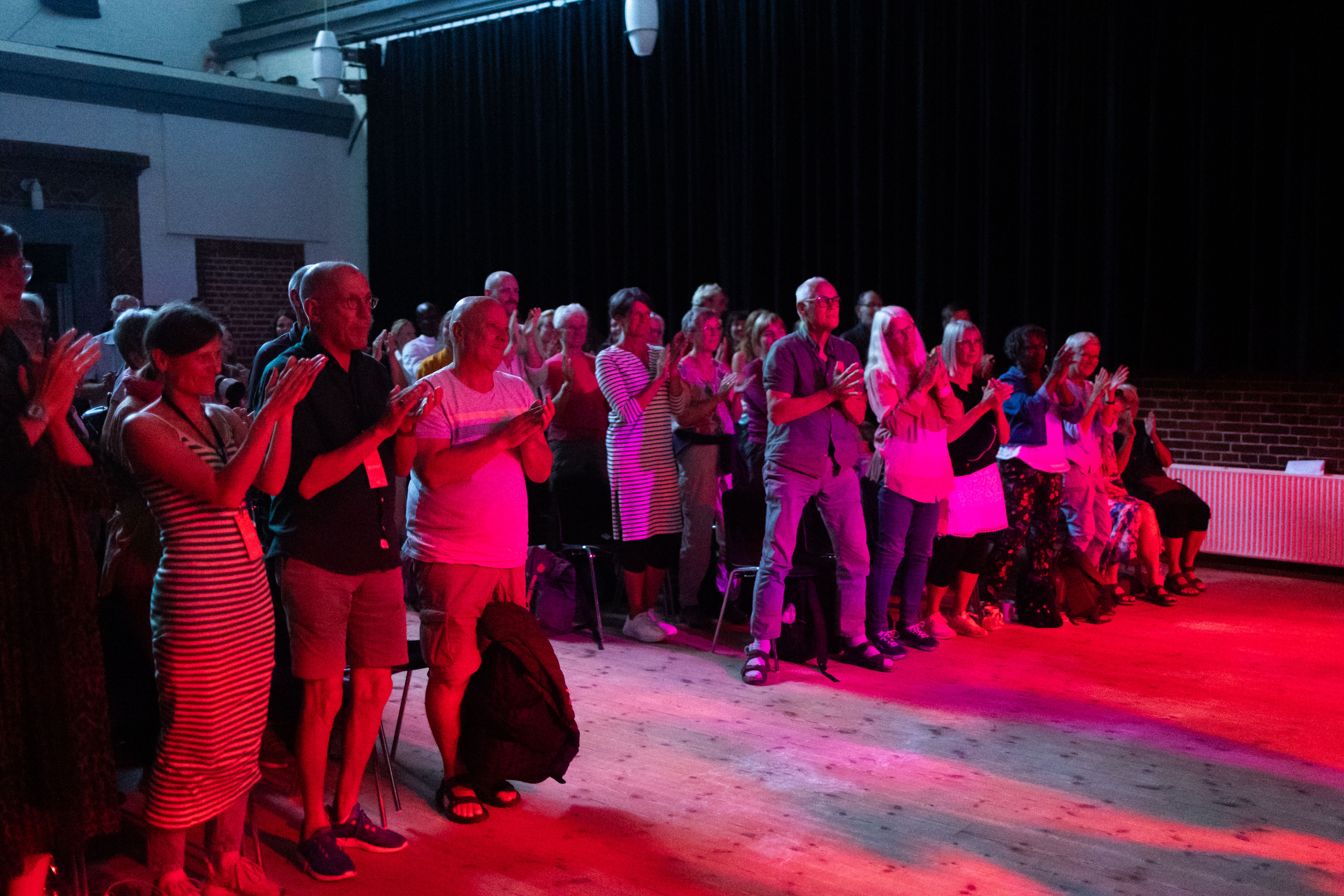

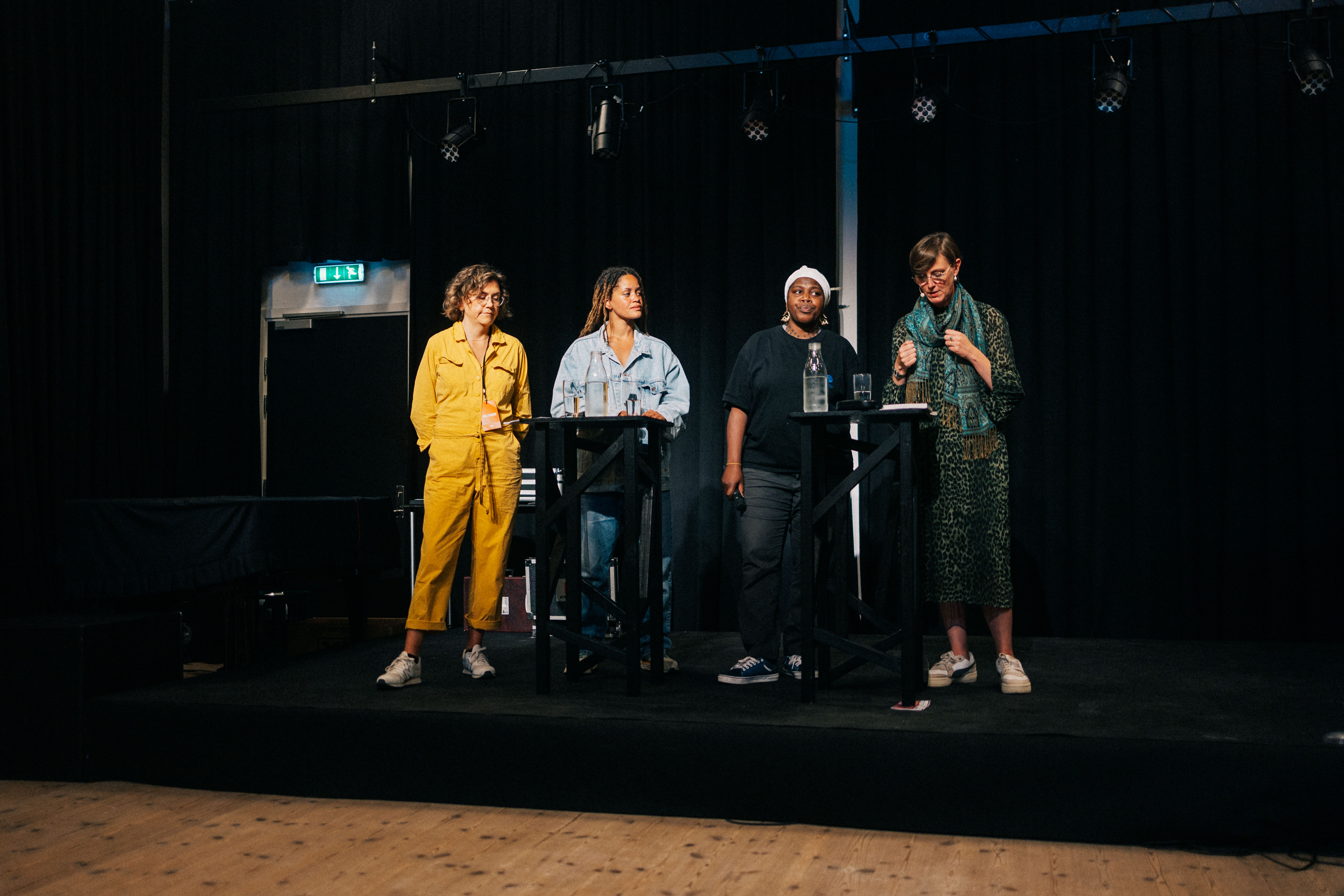
Marie Kaae, Jupiter Child, Trine Sørensen
Together, under the title Space for Art, we present a program that will open up the diverse working processes of the performing and visual arts to cultural life and start a conversation about how art institutions, politicians, and funders can best contribute to supporting nurturing environments for the arts, strengthening community, and exchanging knowledge across art forms.
.jpeg)