AN HOUR WITH: MARIT-SHIRIN CAROLASDOTTER & LOUISE NAJAVARAQ FONTAIN
A project rooted in Indigenous and diasporic knowledge systems, that deals with the ethics of collaboration, memory, and restitution
A project rooted in Indigenous and diasporic knowledge systems, that deals with the ethics of collaboration, memory, and restitution
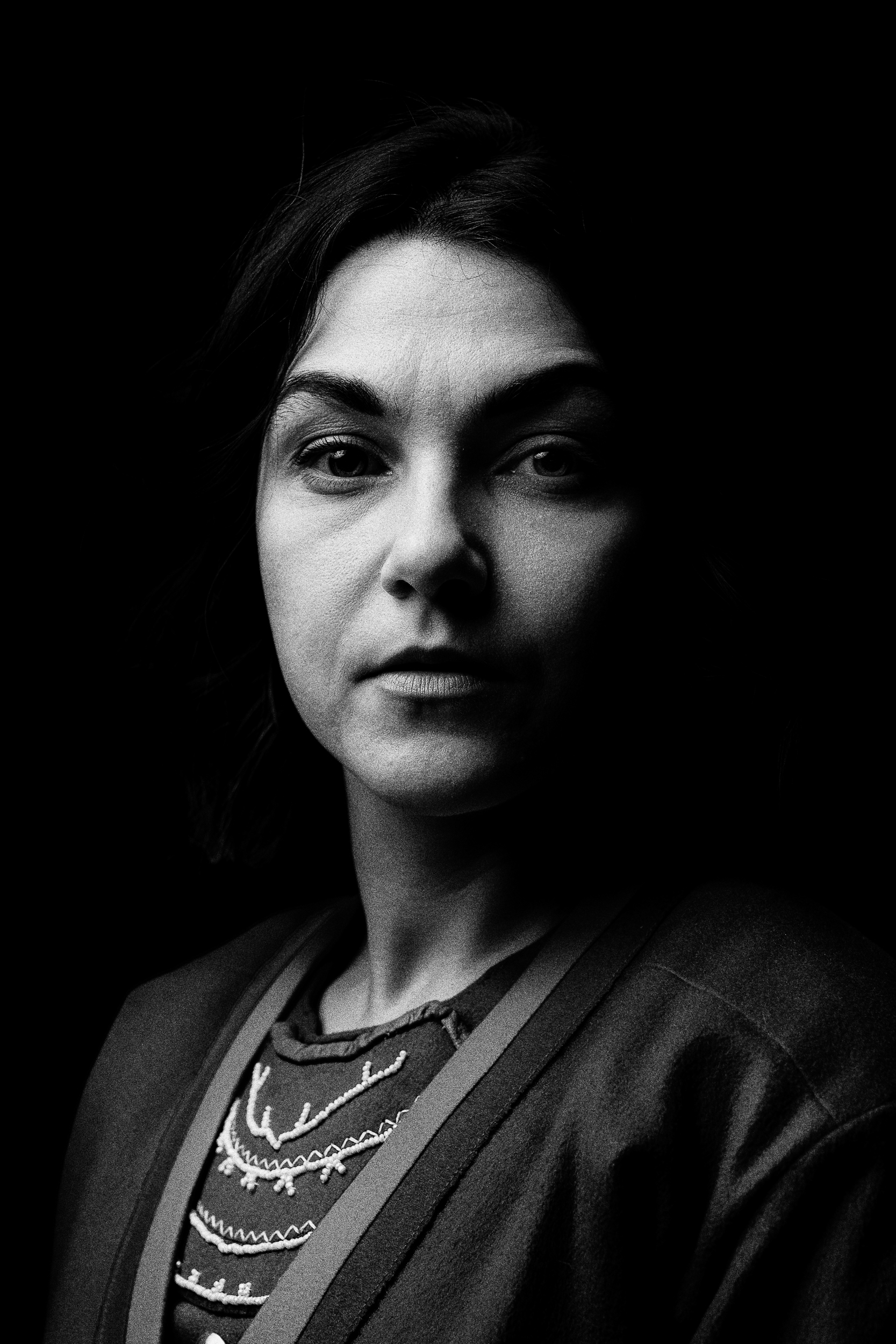
Carolasdotter’s artistic practice includes several roles – and her aim with this residency is to unify several knowledge systems, both embodied (lived) experiences as a Sámi and Kurdish artist, as well as learned experience from theory and practice. By spending more time on each process, she seeks to deepen the meaning of artistic practice and what it means for her – what is an ongoing rehearsal of thoughts and ideas vs. how continuous practice in studio and residency may create new, long term collaborations.
Alongside a variety of artistic collaborations, Carolasdotter’s current work is informed by her research collaboration with Rolando Vázquez (Amsterdam University) on the EU project 'Diversity in Higher Dance Educations' (Brussels, Stockholm, Lausanne, Amsterdam), where she also collaborated with scholar and storyteller Aminata Cairo. The project deepened her focus on decolonial practices in dance and performance, and how holding space for stories is crucial in order to listen in, both in practice and maintaining artistic relationships. Carolasdotter finds interest in working between the academic bubble of passionate artists and performing arts, as her language learns to become pluriversal and adaptive to a multicultural artistic practice. The next phase of her work will seek supportive scenes that can integrate this perspective with mentorship for refugees, indigenous, queer, and BIPOC artists—creating artistic processes that are not only research-driven, but also grounded in solidarity, human movements and human rights.
Carolasdotter’s artistic work is rooted in Indigenous and diasporic knowledge systems, and often deals with the ethics of collaboration, memory, and restitution. Recent works include "Rrîtm", a performance engaging Kurdish rhythms and participatory dance as a way to trace continuity and joy within diaspora.
In the residency: Louise Najavaraq Fontain, artist from Sisimut and Kalaallit Nunaat connect with HAUT members and share how Indigenous epistemology can be a part of artistic dialogue and organisation
CREDITS
Louise Najavaraq Fontain
Foto: Arnaud Beelen
Marit-Shirin’s practice engages with questions of memory, migration, and embodied knowledge, focusing on how experiences that are not always visible or formally recorded are carried and transmitted through the body. In a time marked by displacement, shifting identities, and contested histories, her work considers the body as a site of continuity, negotiation, and transformation.
Within the field of dance, her practice contributes to an expanded understanding of choreography—not only as the composition of movement, but as a way of engaging with social, cultural, and political realities. Working between performance and installation, and often through evolving collaborative formats, the relevance of her work lies in its capacity to create spaces where complex experiences of identity, belonging, and memory can be encountered beyond fixed narratives, and where artistic practice operates as a form of inquiry into the conditions of the present.
Louise Najavaraq Fontain is an interdisciplinary artist born in Sisimiut, Kalaallit Nunaat, and currently based in Hattfjelldal/Skaalma. Her practice moves through questions of belonging, language, and reconciliation, working across installation, performance, storytelling, and relational practices.
Rooted in Indigenous knowledge systems, her work navigates the space between the unknown and the embodied act of knowing oneself through histories, traditions, and intergenerational memory. Through voice, movement, and storytelling, Najavaraq creates spaces where listening, witnessing, and belonging can emerge.
Her artistic practice is shaped through long-standing relationships and exchanges across Sápmi, Kalaallit Nunaat, and Ainu Moshir, woven into a multi-modal practice grounded in Indigenous cosmologies and relational ways of being.
Marit-Shirins praksis beskæftiger sig med spørgsmål om erindring, migration og kropsliggjort viden med fokus på, hvordan oplevelser, der ikke altid er synlige eller formelt registreres, bæres og overføres gennem kroppen. I en tid præget af forskydning, skiftende identiteter og omstridte historier, betragter hendes arbejde kroppen som et sted for kontinuitet, forhandling og transformation.
Inden for dansefeltet bidrager hendes praksis til en udvidet forståelse af koreografi – ikke kun som bevægelsens komposition, men som en måde at engagere sig i sociale, kulturelle og politiske realiteter. Ved at arbejde mellem performance og installation, og ofte gennem udviklende samarbejdsformater, ligger relevansen af hendes arbejde i dets evne til at skabe rum, hvor komplekse oplevelser af identitet, tilhørsforhold og erindring kan mødes ud over faste fortællinger, og hvor kunstnerisk praksis fungerer som en form for undersøgelse af nutidens betingelser.
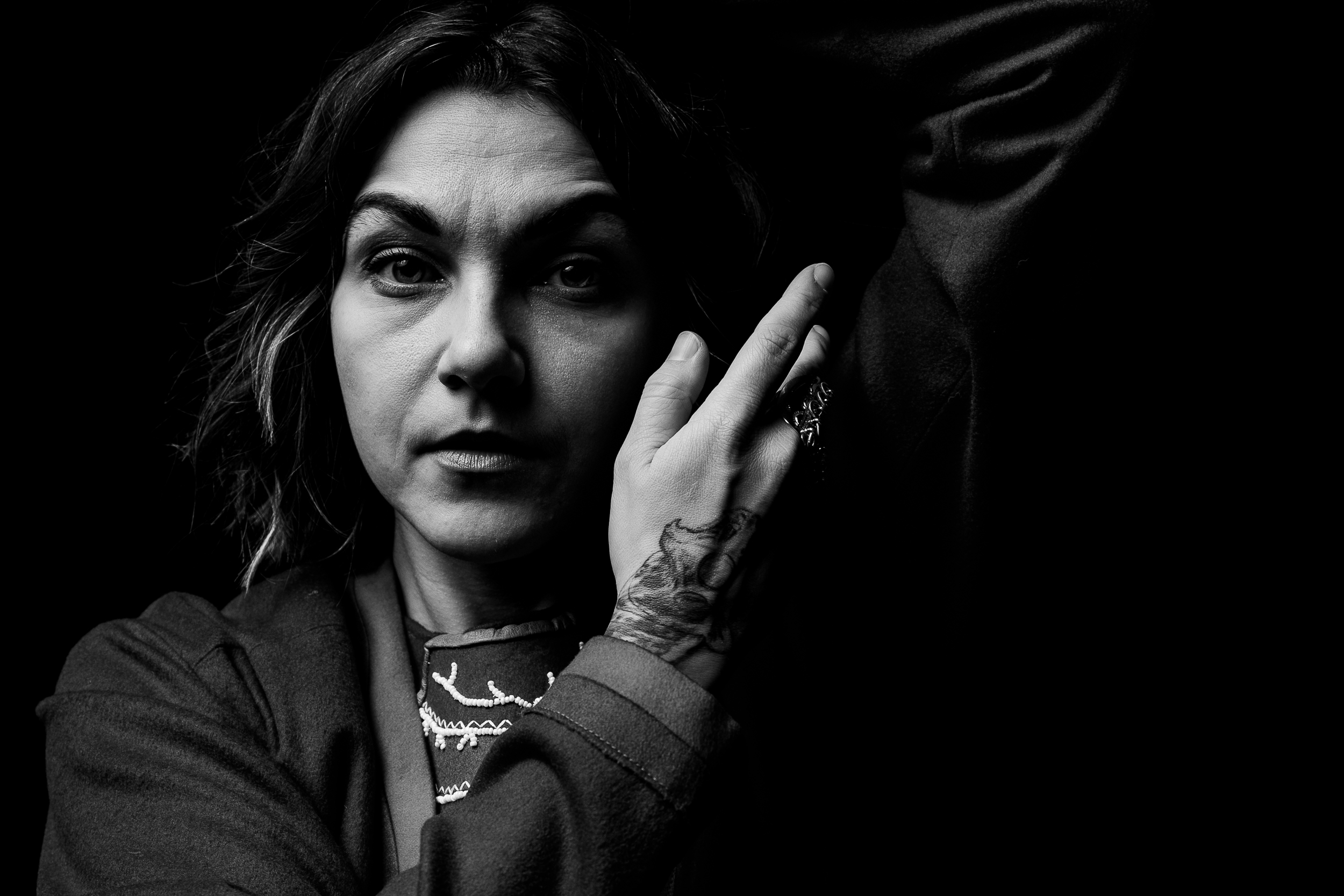
Louise Najavaraq Fontain er tværfaglig kunstner født i Sisimiut, Kalaallit Nunaat, og i øjeblikket baseret i Hattfjelldal/Skaalma. Hendes praksis bevæger sig gennem spørgsmål om tilhørsforhold, sprog og forsoning og arbejder på tværs af installation, performance, historiefortælling og relationelle praksisser.
Forankret i oprindelige videnssystemer navigerer hendes arbejde i rummet mellem det ukendte og den kropslige handling af at kende sig selv gennem historier, traditioner og generationsoverskridende erindring. Gennem stemme, bevægelse og historiefortælling skaber Najavaraq rum, hvor lytning, vidnesbyrd og tilhørsforhold kan opstå.
Hendes kunstneriske praksis er formet gennem langvarige relationer og udvekslinger på tværs af Sápmi, Kalaallit Nunaat og Ainu Moshir, vævet ind i en multimodal praksis baseret på oprindelige kosmologier og relationelle måder at være på.