COLLECTIVE PRACTICE: Dream Aloud
How would it feel in your body if all your needs were met? If your dreams had already come true, how would you move in the world?
How would it feel in your body if all your needs were met? If your dreams had already come true, how would you move in the world?
This session is based on a thought experiment inspired by tools from Sonya Lindfors and Maryan Abdulkarim's 'We Should All Be Dreaming', where dreams are used as a restorative tool.
About the practitioner:
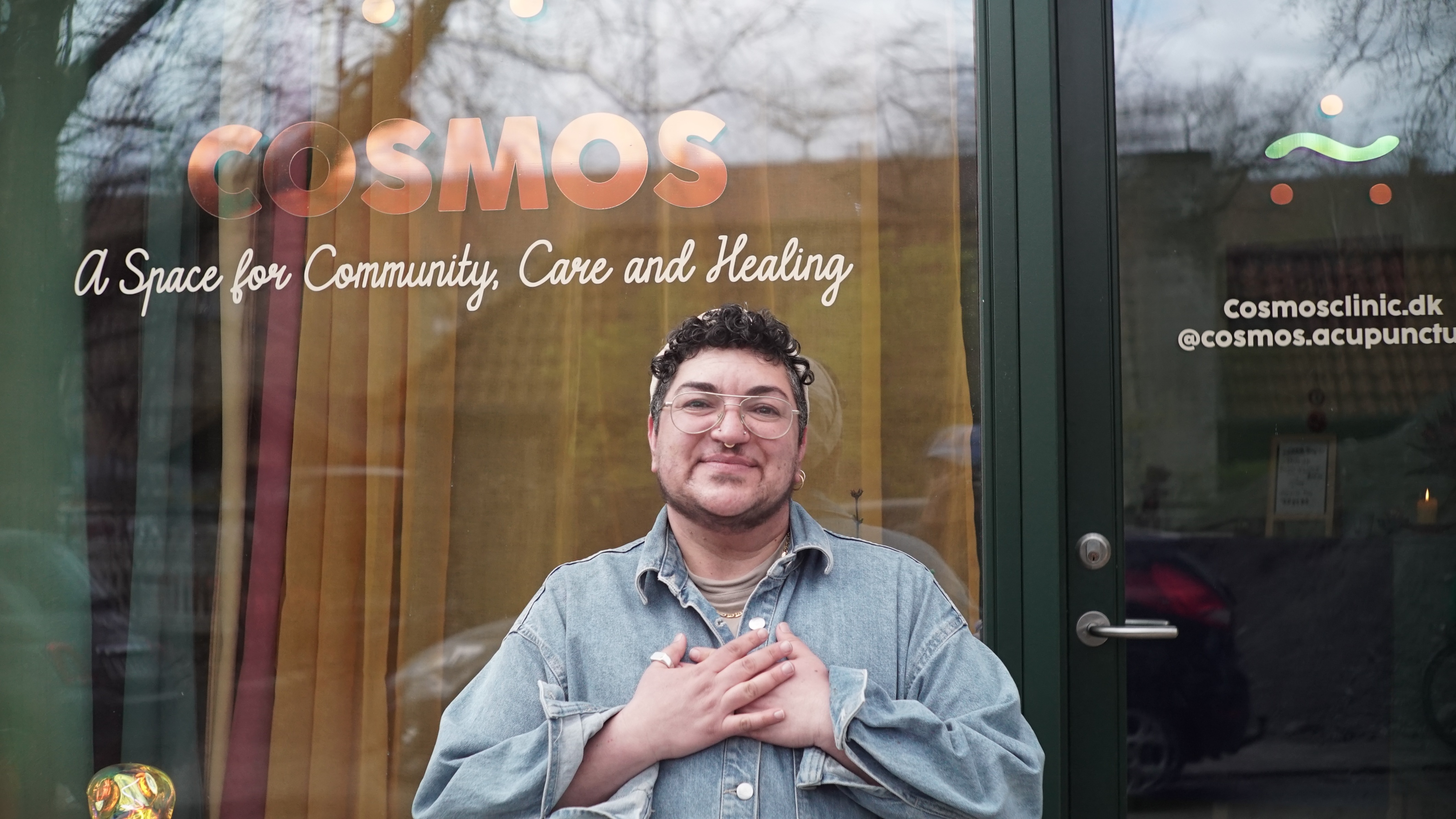
Cosmo M. Soltani (he/they) is an acupuncturist specializing in Five Element acupuncture, a community organizer, filmmaker, and a parent to two magical children. They have been studying Eastern medicine since 2017 and founded COSMOS – a space for community, care, and healing – in NV, Copenhagen in 2024.
As an Iranian trans person, Cosmo centers care and co-creation with their QTIBIPOC community in every aspect of their practice and life. They continuously explore ways to heal the past, create care in the present, and imagine new futures with care, community, and liberation at the center.
COLLECTIVE PRACTICE is a newly developed framework that takes our current context as its starting point. In the spring of 2026, we will focus on ARTIST CARE, as the Danish performing arts field lacks a common vocabulary for articulating lived experiences of inequality in Denmark—in Danish.
Cosmo (he/they) is a 5 Element Acupuncturist based in NV, Copenhagen, and the founder of COSMOS - a trans-led community care clinic in Cph, DK. Their practice centers on healing trauma and creating containers of care for all who are called to connect more deeply with their mind, body and spirit.
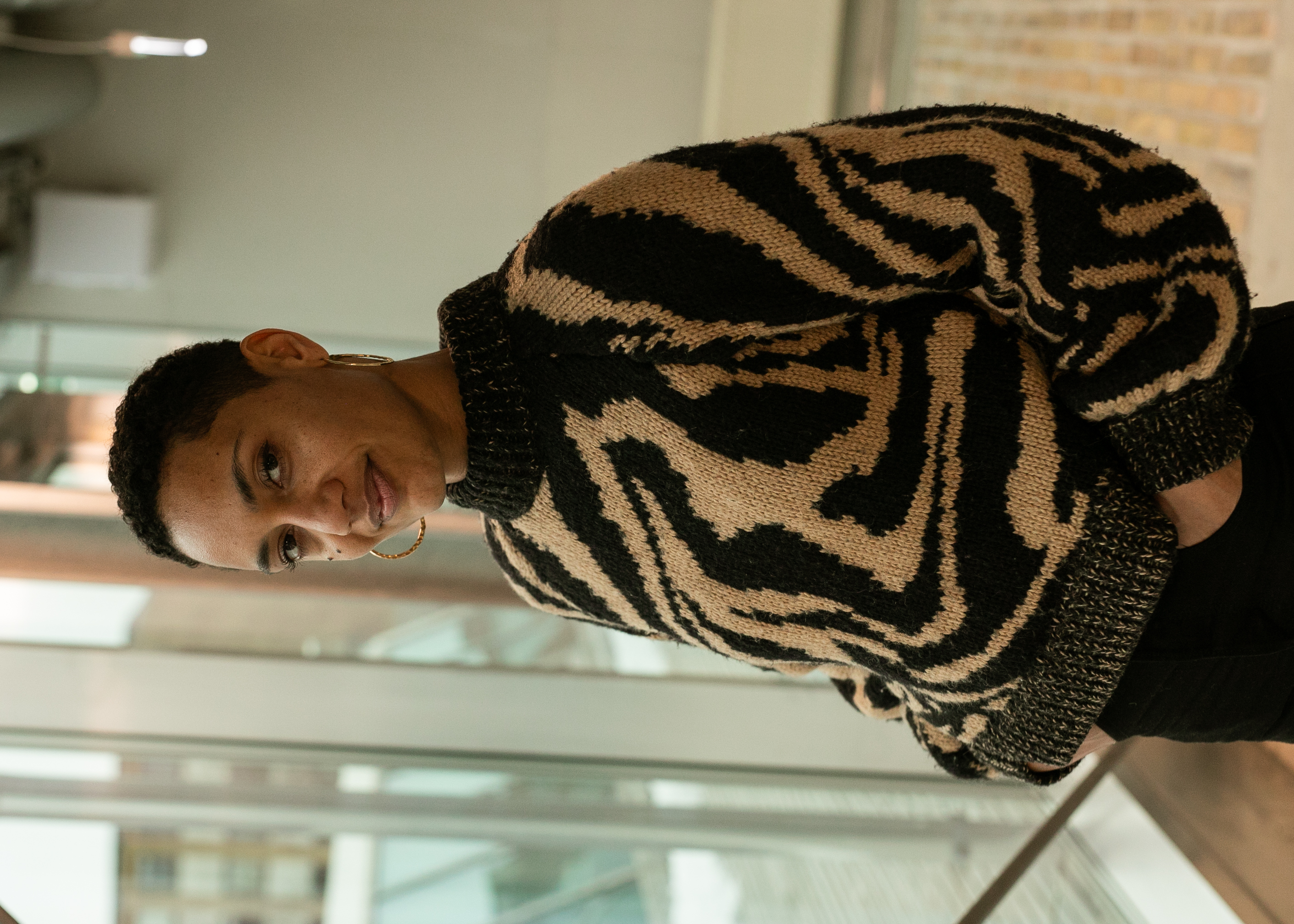
Elizabeth Löwe Hunter, PhD, er uafhængig forsker, formidler og kulturanalytiker og undersøger racialisering, tilhørsforhold, og repræsentation i Danmark gennem feministiske, dekoloniale forskningsmetoder.
Hun har undervist i normkritiske forskningsmetoder på UC Berkeley og rådgiver organisationer i intersektionelle tilgange til dataanalyse, formidling og klientrelationer blandt andet i uddannelses- og kunstsektoren. Elizabeth har en PhD i Black Studies og Gender Studies fra University of California Berkeley og er specialiseret i at forstå racegørelse i en dansk og europæisk kontekst.
Hun vil desuden varetage formidlingsopgaver gennem en intersektionel tilgang
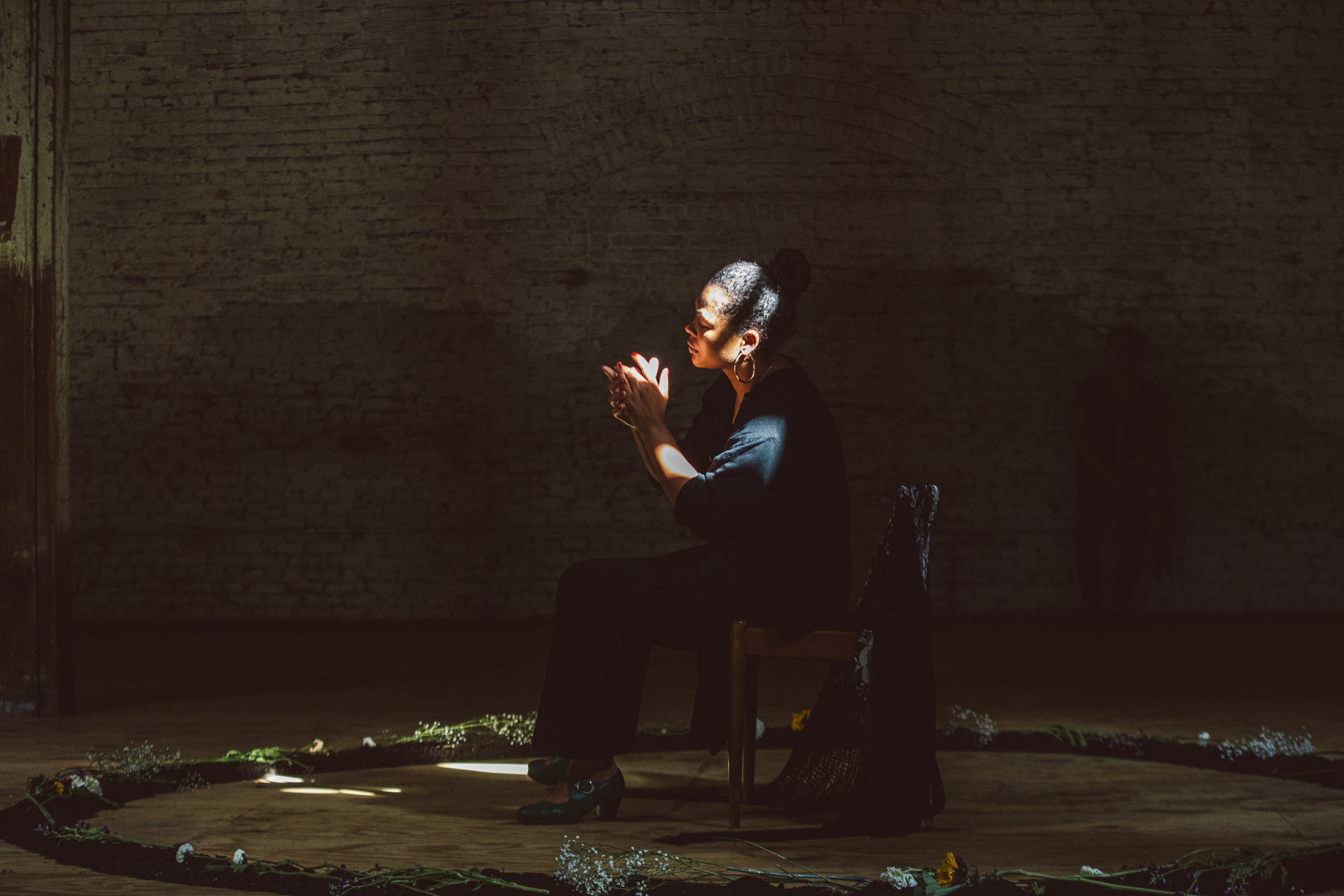
Phyllis Akinyi (she/they) is a Danish-Kenyan dancer, choreographer, and interdisciplinary performance artist based between Madrid and Copenhagen. Working at the intersection of flamenco, Africanist spirituality, and contemporary performance, their practice explores cultural hybridity, ancestral memory, and embodied resistance. Akinyi’s concept of Spatial Listening frames her durational and site-specific works, where sound, trance, and ritual create portals for diasporic presence. She is the founder and artistic director of Diasporic Dimensions and co-editor of Afro-Nordic Perspectives on Performance. Their work has been presented across Europe and the U.S., including at the Venice Biennale, Haus der Kulturen der Welt, Yellow Fish Festival, and The Danish Royal Theatre.
Concept
Phyllis Akinyi (she/they) is a choreographer, performer, and flamenco researcher whose practice is rooted in rhythm, storytelling, and vessel work, centering care, embodied knowledge, and strategies of resistance.
Elizabeth Löwe Hunter (she/her) is an independent researcher, educator, and cultural analyst whose work examines racialization, belonging, and representation in Denmark, specifically through Black feminist ethics of care.
Theoreticians
We credit Patricia Hill Collins for a Black feminist ethics of care and Audre Lorde for notions of caring for oneself. And we recognize Sojourner Truth, Ida B. Wells, Combahee River Collective, Angela Davis, bell hooks, all of the above mentioned and many, many more for analyzing intersectionality before it was coined by Kimberly Crenshaw in 1989. Importantly, we credit Ylva Habel, Lena Sawyer, Philomena Essed, Gloria Wekker, Fatima El-Tayeb, and Françoise Vergès, among others, for anchoring intersectional approaches within our European context.
Note on intersectionality
Intersectionality is a concept developed by Black feminists that we adapt to our context from the US-American context. With a feminist starting point, we make space for multiple perspectives and artistic expressions that lie outside the norm across both society and the Danish performing arts scene. When we express the importance of an intersectional approach, it means that we acknowledge the ways in which different forms of oppression operate simultaneously – ways in which artists experience interlocking inequalities. We work from the notions that if we take good care of the most vulnerable among us, everyone benefits. Therefore, we take as our starting point a Black feminist ethic of care and cite, for example, Patricia Hill Collins, Audre Lorde, Kimberly Crenshaw, the Combahee River Collective, and others.