VANITAS
A performance about youth, anxiety and change.
A performance about youth, anxiety and change.
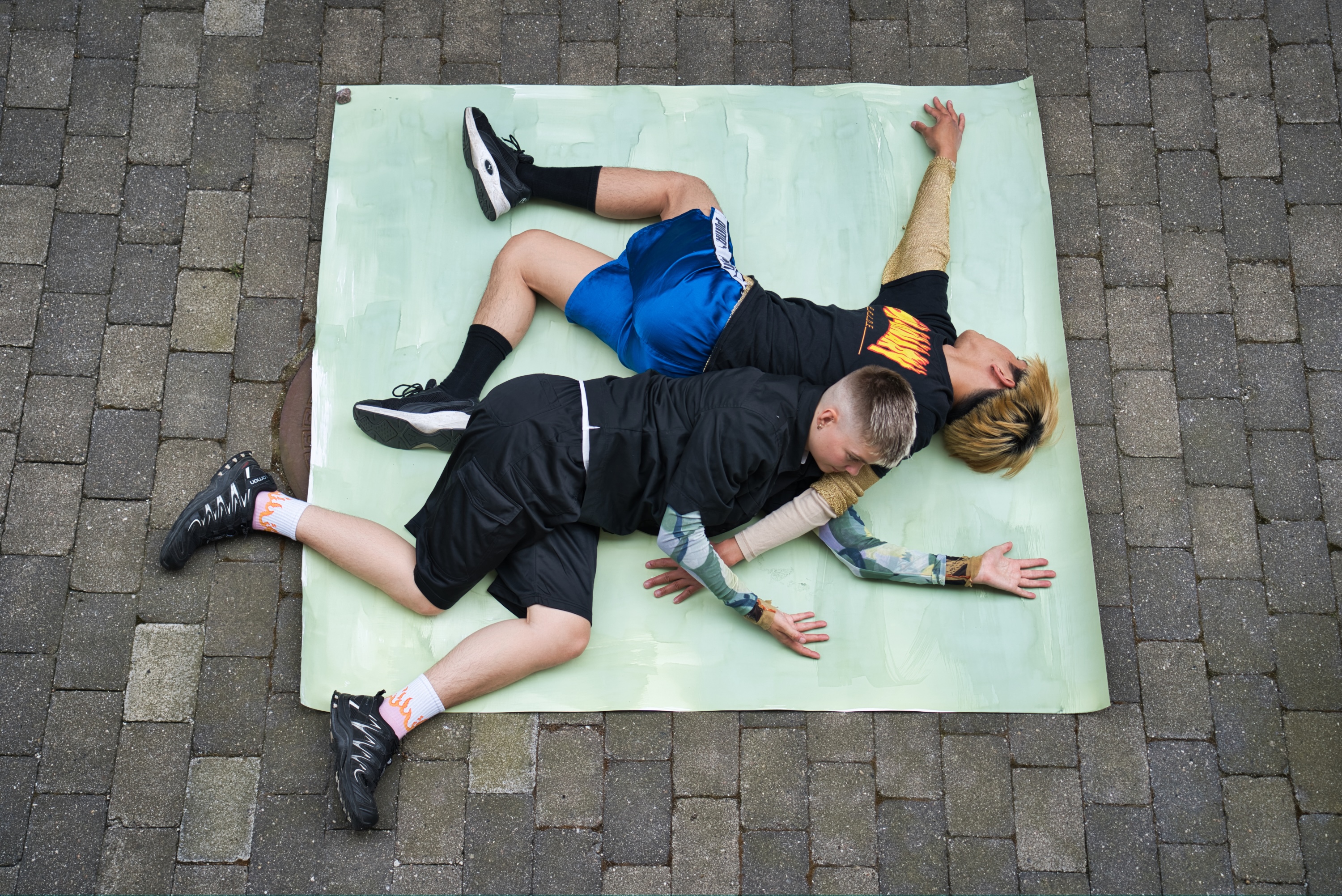
We want to explore change - that which is in transition. “neither or”, “both and” or something else entirely. We will try to go in behind the “sorry we mess” sign, and look for everything that makes us frightened and all that gives us hope. Where does anxiety come from and can you be present in what you don't understand
The title VANITAS is borrowed from Baroque still life paintings, in which lineups of skulls, cut flowers, glass domes, and overripe fruits symbolized the transience and vanity of life. The Ouroboros - the snake that eats its own tail - is likewise a symbol of change.
The old is replaced by the new.
We read these symbols, myths and legends with sensitive queer hearts and hope to get closer to tangible and mirror some of the emotions that change evokes.

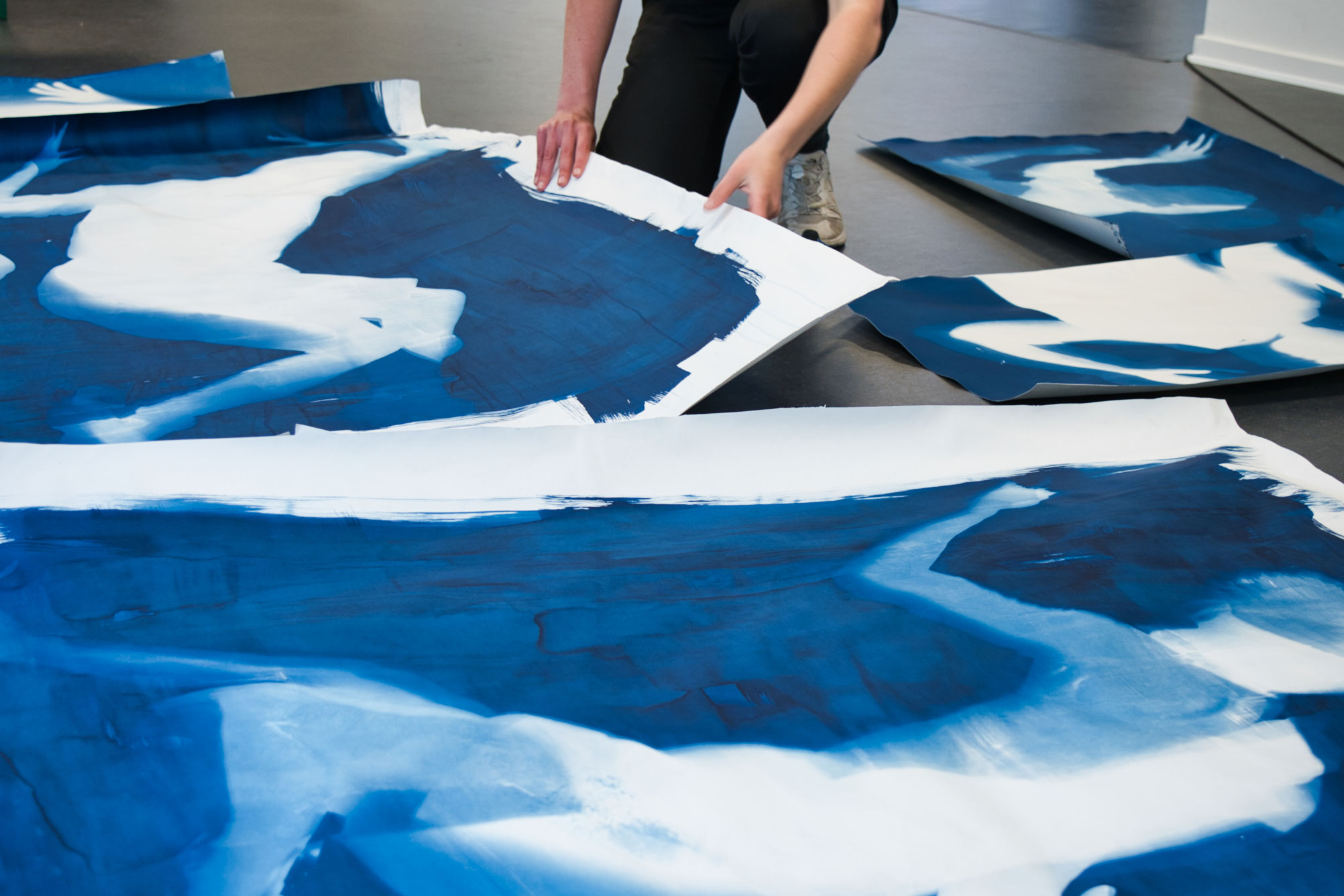
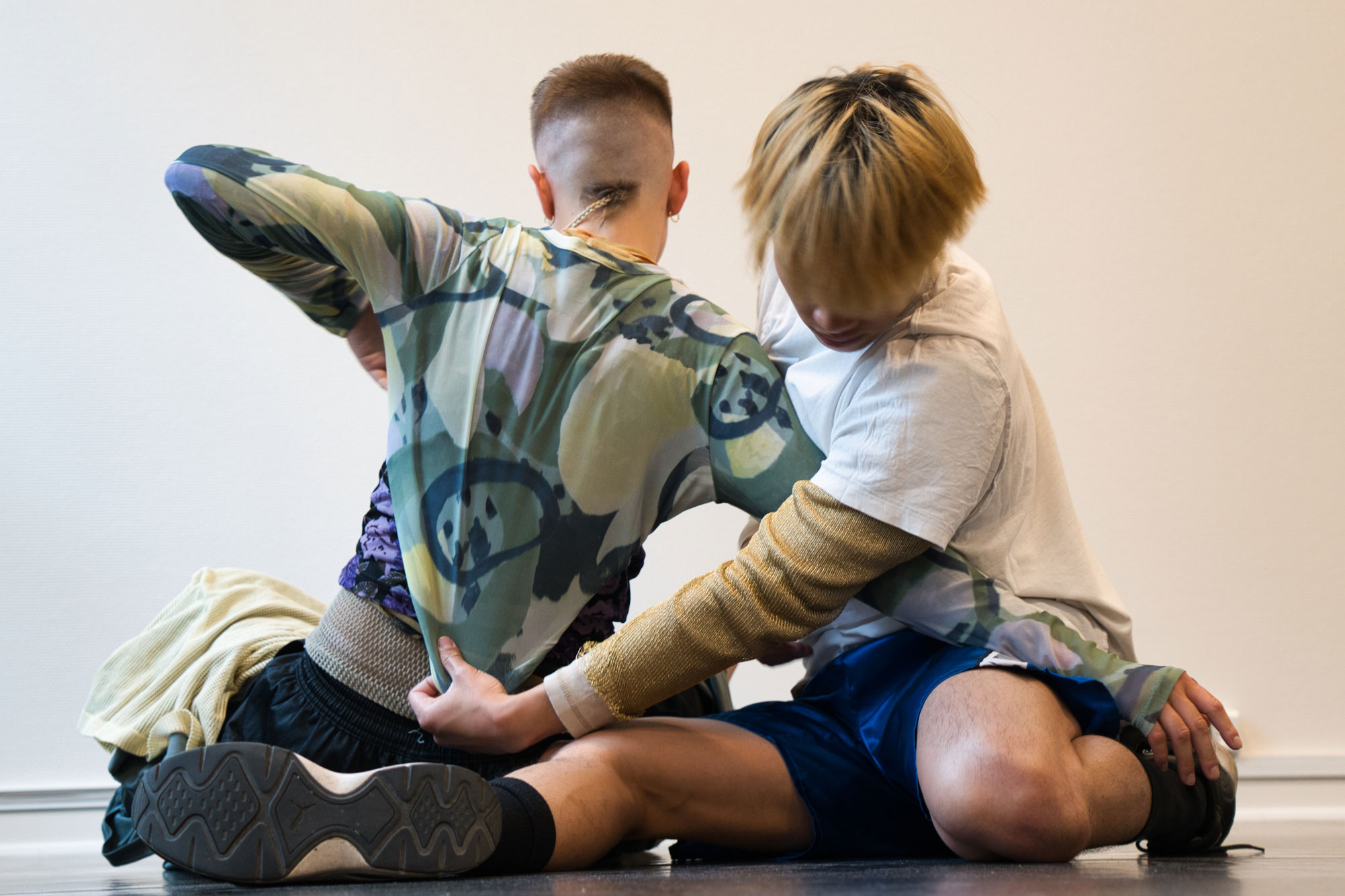
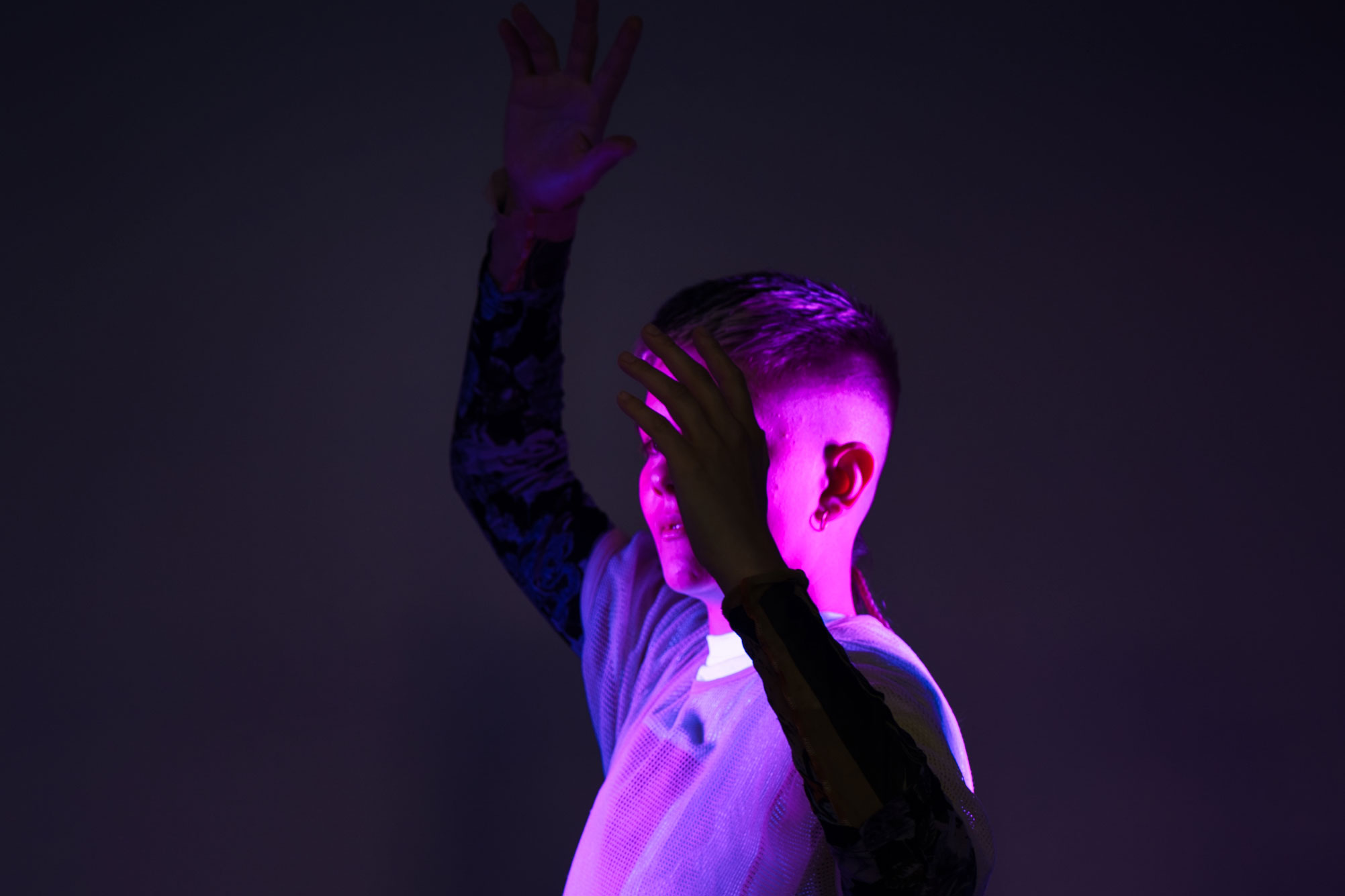
The artistic team consists of Jules Fischer feat. Kai Merke, Julienne Doko, Phyllis Akinyi & Paolo de Venecia Gile.
Jules is a trained visual artist who works with performance at the intersection of choreography and installation. VANITAS is being developed in collaboration with the performers.
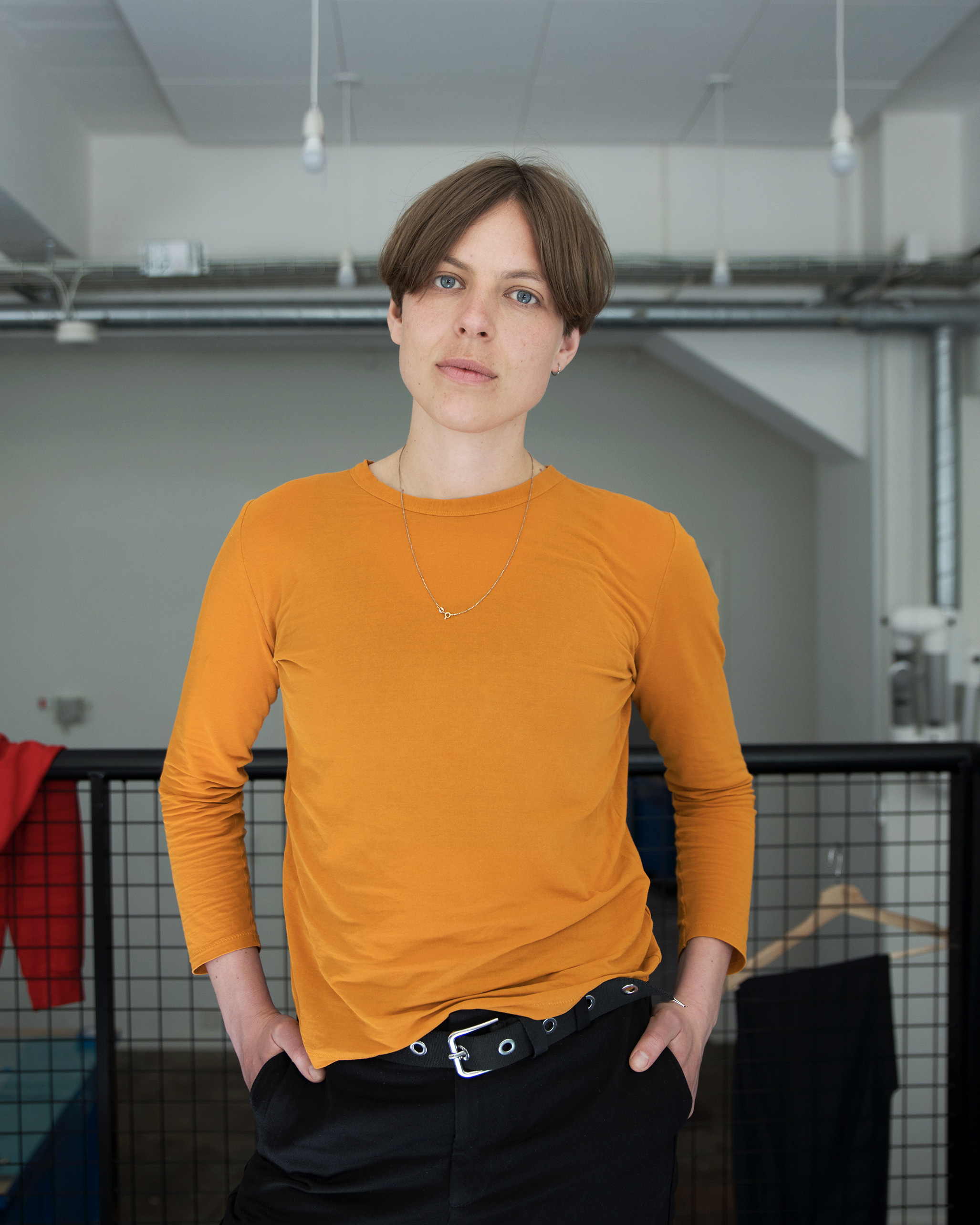
Kai Merke (he/him) is a choreographer, dancer, and dramaturg specializing in interdisciplinary collaborations and transformative performance experiences. Kai integrates somatic embodiment, ecological awareness, and decolonial approaches in their artistic practice. With rigorous dramaturgical insight and embodied methods, kai seeks to dismantle experiences of alienation and cultivate deeper connections with our living environment.
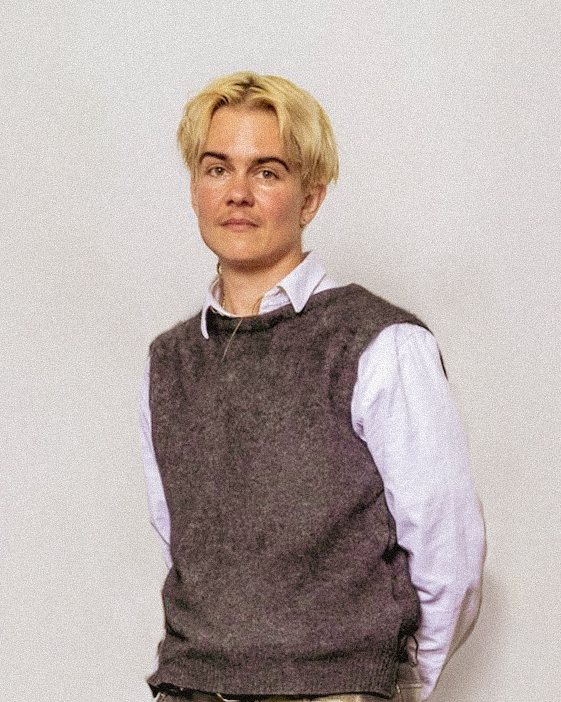
Paolo de Venecia Gile (they/them) is a Filipino-Swedish artist based in Copenhagen dealing with freelance galore. Partially trained as a nurse in Sweden, they completed formal studies in “contemporary” dance and choreography in Denmark in 2019. They often inhabit the role of performer in pieces signed by Malik Nashad Sharpe, Emilie Gregersen, Ofelia Jarl Ortega, Alex Blum, Adriano Wilfert Jesen among others. Their practice circles around how dance-ing might (re)produce & imaginaries on a material and affective level. They are part of Dance Cooperative, a self-organised platform & studio for intersectional feminist art practices.
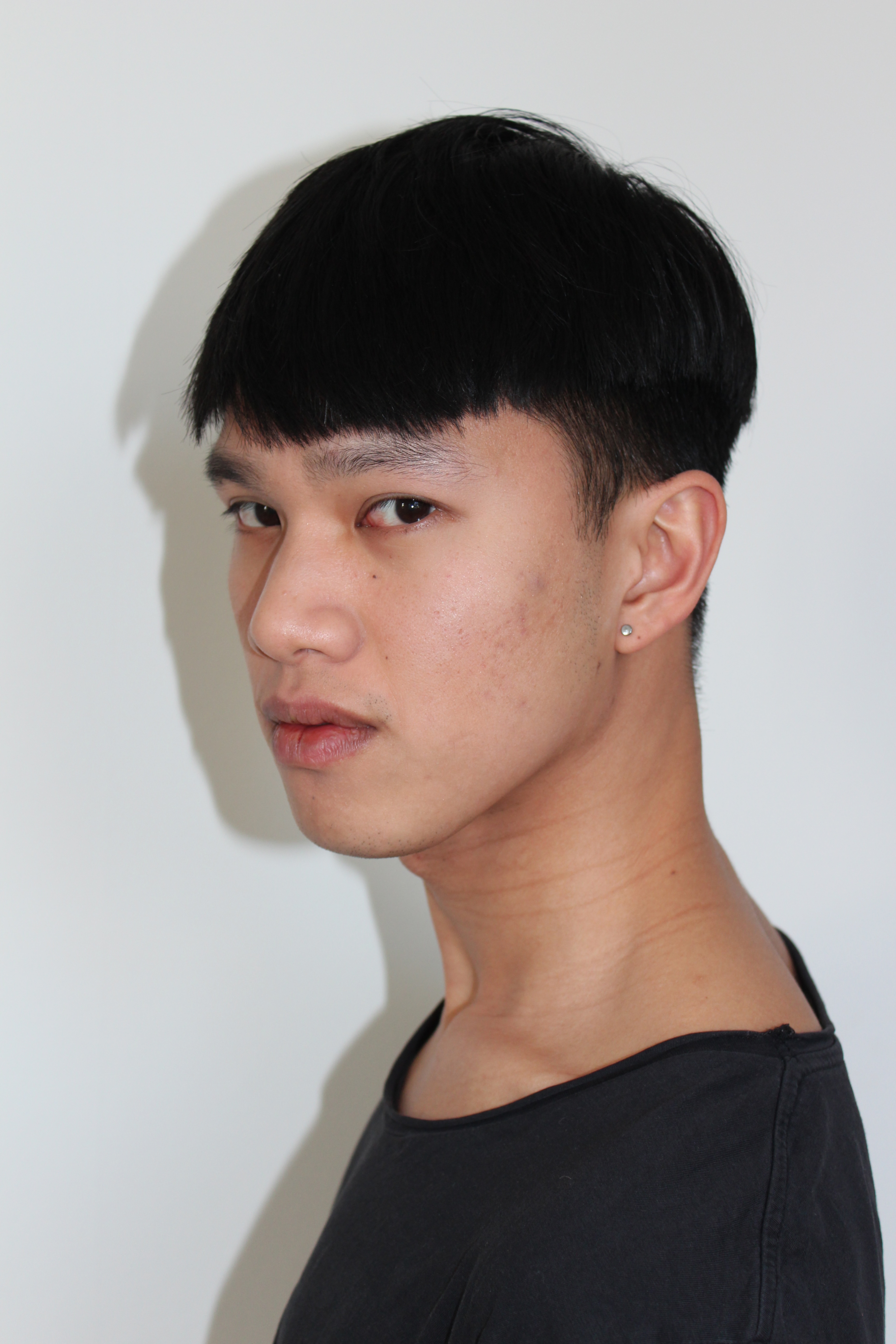
French dance performer, teacher & choreographerwith roots in Central African Republic.
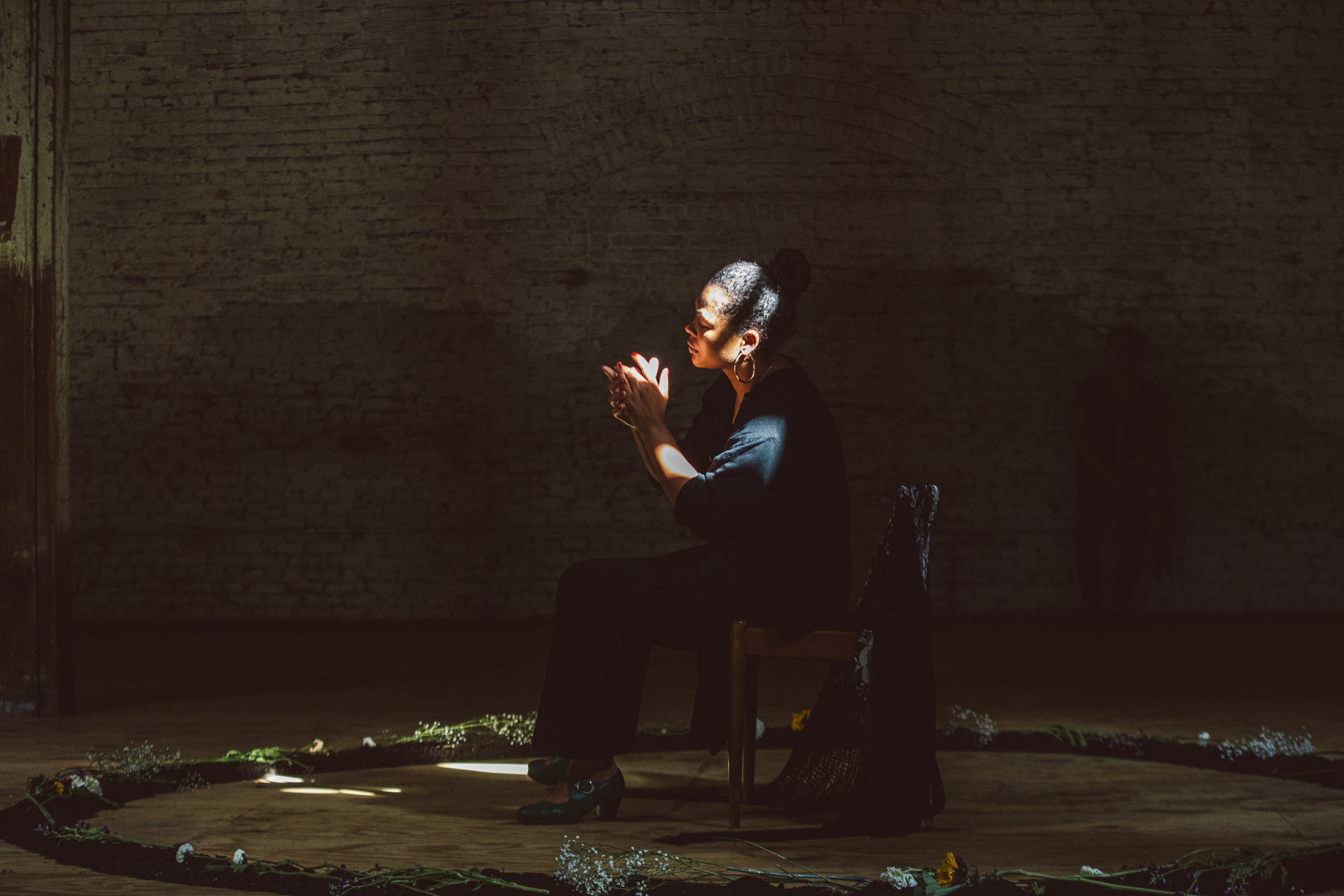
Photo: Ave Maria Nielsen
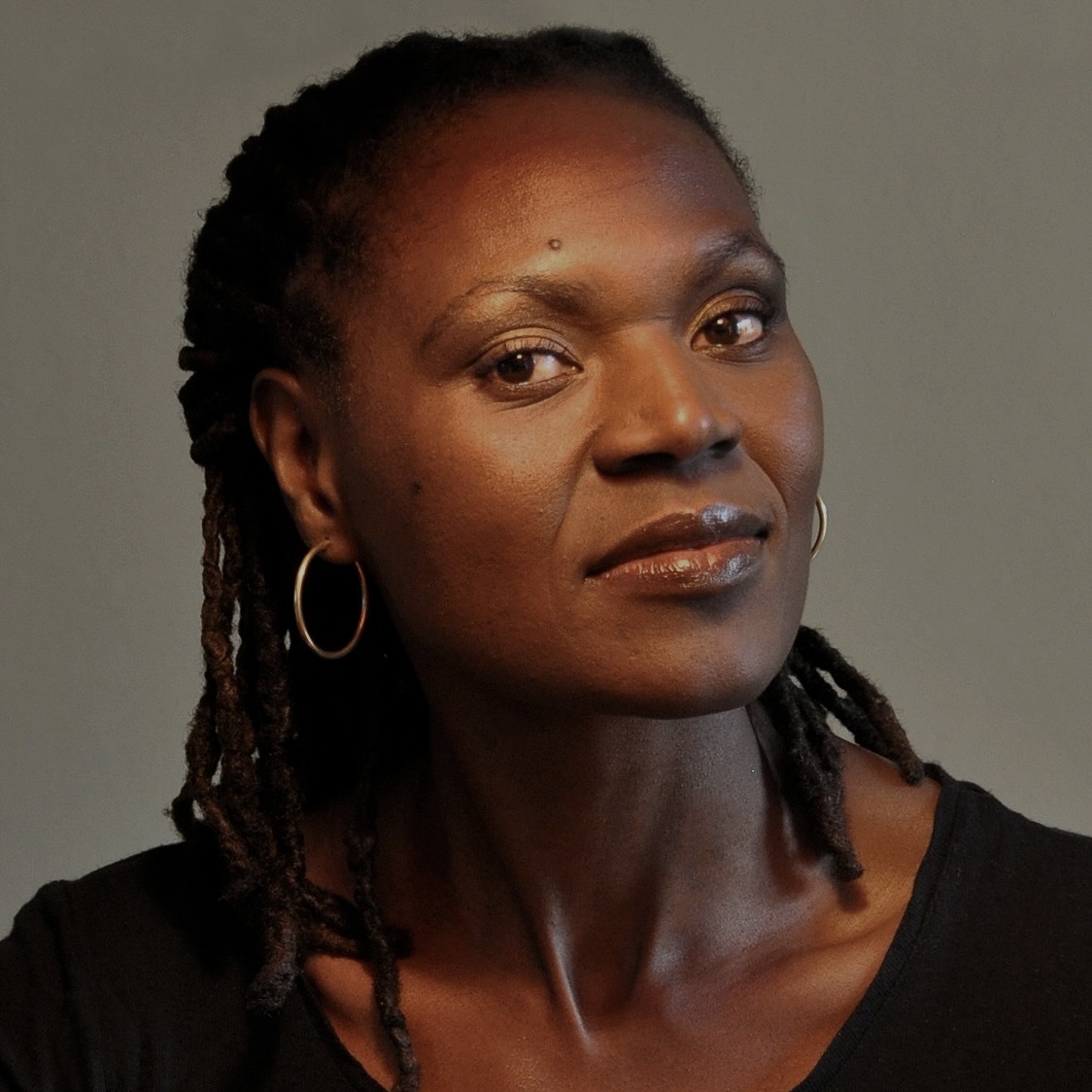
Phyllis Akinyi (she/they) is a Danish-Kenyan dancer, choreographer, and interdisciplinary performance artist based between Madrid and Copenhagen. Working at the intersection of flamenco, Africanist spirituality, and contemporary performance, their practice explores cultural hybridity, ancestral memory, and embodied resistance. Akinyi’s concept of Spatial Listening frames her durational and site-specific works, where sound, trance, and ritual create portals for diasporic presence. She is the founder and artistic director of Diasporic Dimensions and co-editor of Afro-Nordic Perspectives on Performance. Their work has been presented across Europe and the U.S., including at the Venice Biennale, Haus der Kulturen der Welt, Yellow Fish Festival, and The Danish Royal Theatre.
HAUT x BikubenfondenPop Up Residency
VANITAS is part of HAUT x Bikubenfonden Pop Up Residency, which is a test course of the studio residency format and is aimed at the independent performing artists in the field of cross-aesthetic performing arts. The artists are offered a residency of up to 4 weeks, with the possibility of sparring from selected feedback partners, focusing on how artistic feedback can strengthen a project's further development. Ttakes place in Copenhagen, where one floor of Fondenes Hus is furnished studio with dance vinyl and a simple technique package. The overall development course aims to investigate what are the needs for residencies and how a studio residency can qualify artistic development.